
How to Taste Chocolate Slowly
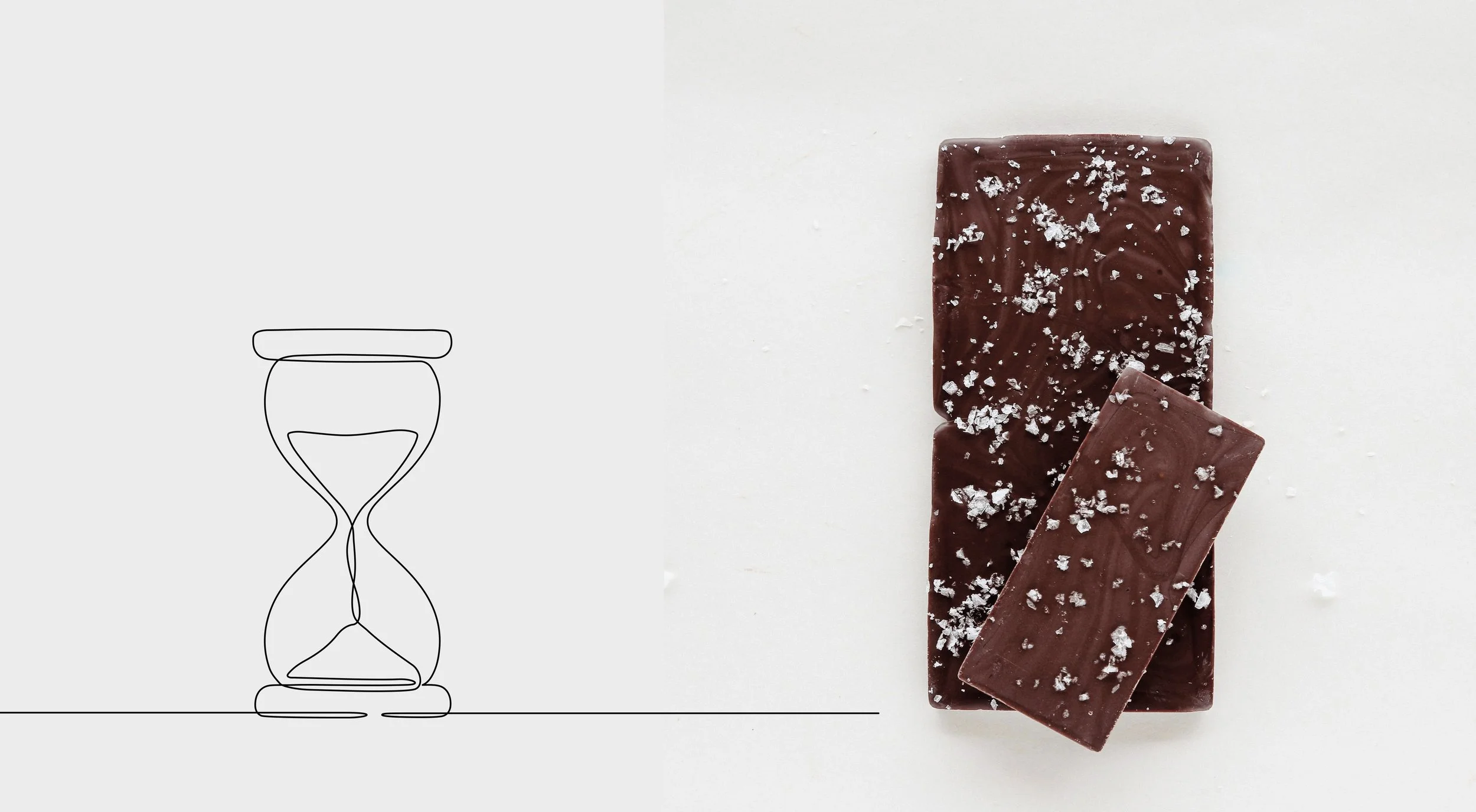
Most chocolate is eaten quickly.
Broken. Bitten. Gone.
But tasting is something different.
Tasting asks for patience.
When you approach chocolate the way a maker does, the experience changes. It becomes layered. Intentional. Almost meditative.
Begin with sight.
Look at the surface of the bar. Is it matte or glossy? Does it reflect light smoothly? The finish tells you something about tempering and care.
Then listen.
Break a small piece near your ear. A clean snap signals structure and balance. The sound itself is part of the craft.
Next, let it rest on your tongue.
Don’t chew immediately. Allow it to soften. Chocolate releases flavor in stages. First, the initial impression — often bold or bright. Then, the middle notes emerge: fruit, toasted nuts, caramel, perhaps something floral or earthy. Finally, a lingering finish remains long after it melts.
You may begin to recognize patterns.
Some origins open with gentle acidity.
Others feel round and steady.
Some surprise you halfway through.
Chocolate rewards attention.
You might pair it with coffee and notice how bitterness sharpens sweetness. Or with tea, allowing floral notes to echo. Even water between bites changes perception.
Slowing down reveals what speed conceals.
The pause draws you closer to craft, to origin, and to the moment itself.
The more you taste this way, the more you begin to understand the decisions behind the bar. The roast profile. The sourcing. The intention.
Given time, chocolate opens layer by layer.
Visit the café and explore a bar with us. Take your time. Let it melt. Notice what you discover.